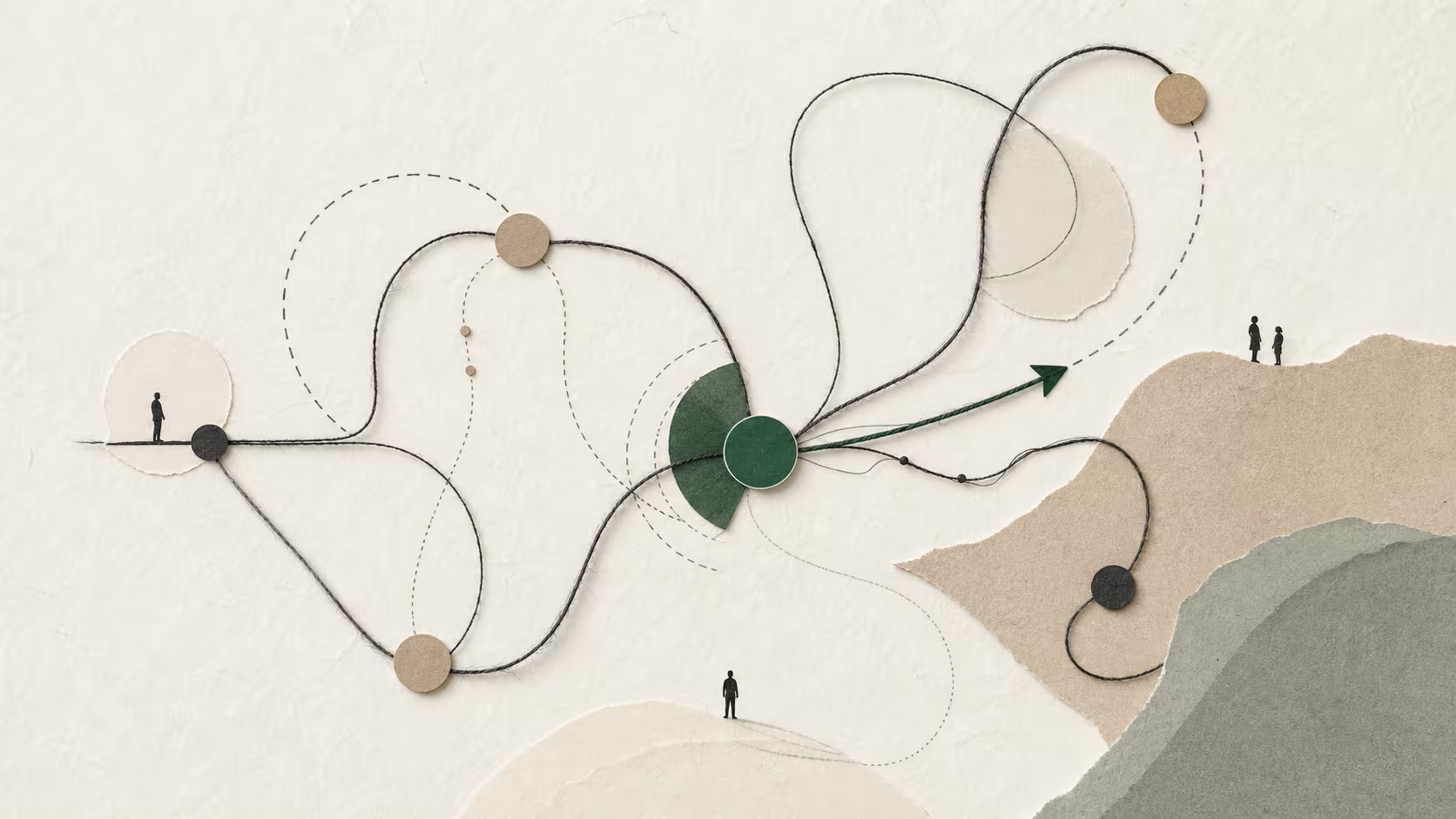
Many stakeholders, no shared operating model
The right organizations are present, but roles, incentives, governance, or a common agenda remain unclear.
Consulting leads the discovery end of the BPG process. Through listening, analysis, and systems work, we help organizations and consortia understand the challenge, choose a direction, and define a credible next move.
Consulting establishes the foundation for action: the problem is framed, the system and stakeholders are understood, and an opportunity or decision is made explicit. Some engagements end there. When an opportunity needs to be tested and built, it can continue into the Initiative Lab.
See the full processThe right organizations are present, but roles, incentives, governance, or a common agenda remain unclear.
Data and opinions are accumulating, but leaders still cannot see the tradeoffs or choose where to focus.
Actions keep producing unintended consequences because the underlying relationships and feedback loops are hidden.
Selected organizations served across strategy, analytics, innovation, and systems work.
Analyzed customer interactions, retention, and spending to test an engagement-based lifetime-value model—creating a clearer basis for connecting engagement strategy to durable customer value.
Modeled hundreds of thousands of member interactions to attribute resolution and satisfaction across service channels—giving leaders a more complete basis for evaluating cost-to-serve and channel mix.
Combined business-model design, member segmentation, trade-area analysis, and financial projections—creating an evidence base for evaluating a fitness and wellness laboratory serving adults 50+.
Supported due diligence on a Saudi Arabian health-club investment through market segmentation, competitive analysis, operating-model review, and financial scenarios—making the opportunity and its risks easier to evaluate.
Assessed the U.S. energy-efficiency and demand-management landscape—clarifying emerging technologies, business models, and behavioral shifts relevant to market strategy.
Applied customer-experience and analytical thinking to a new service-platform concept—helping make its potential applications and strategic questions more explicit.
Specialist firms and long-term partners with whom we have shaped and delivered client work.
Before founding BPG Labs, Brian supported the design and development of collaborative initiatives at The Synergist, including the Clinical Trial Distribution Network (CTDN), READI, and Guide.MRD. Earlier, while at Boston University, he helped support the Massachusetts Open Cloud.
This experience informs how BPG Labs convenes stakeholders, structures a common agenda, and turns emerging opportunities into initiatives that can be piloted and supported.
CTDN brought patients, industry, data-standard experts, and technology partners together around an open approach to structuring and enriching clinical-trial information—making trials easier to find, understand, and match.
READI is a European public-private partnership working to make clinical studies more representative and inclusive by addressing systemic barriers, co-creating practical tools, and developing a patient-centered digital platform.
Guide.MRD convened stakeholders around the adoption of molecular residual disease testing in solid-tumor cancer care, using interviews and systems mapping to clarify barriers, relationships, and opportunities for coordinated action.
Led by Boston University with university, government, and industry partners, MOC developed an open, shared cloud-computing environment designed to support research, experimentation, and a more transparent cloud-services ecosystem.
Consilium carries the evidence, perspectives, decisions, and learning forward—so discovery does not become a disconnected report and later pilots retain the reasoning and ownership behind them.
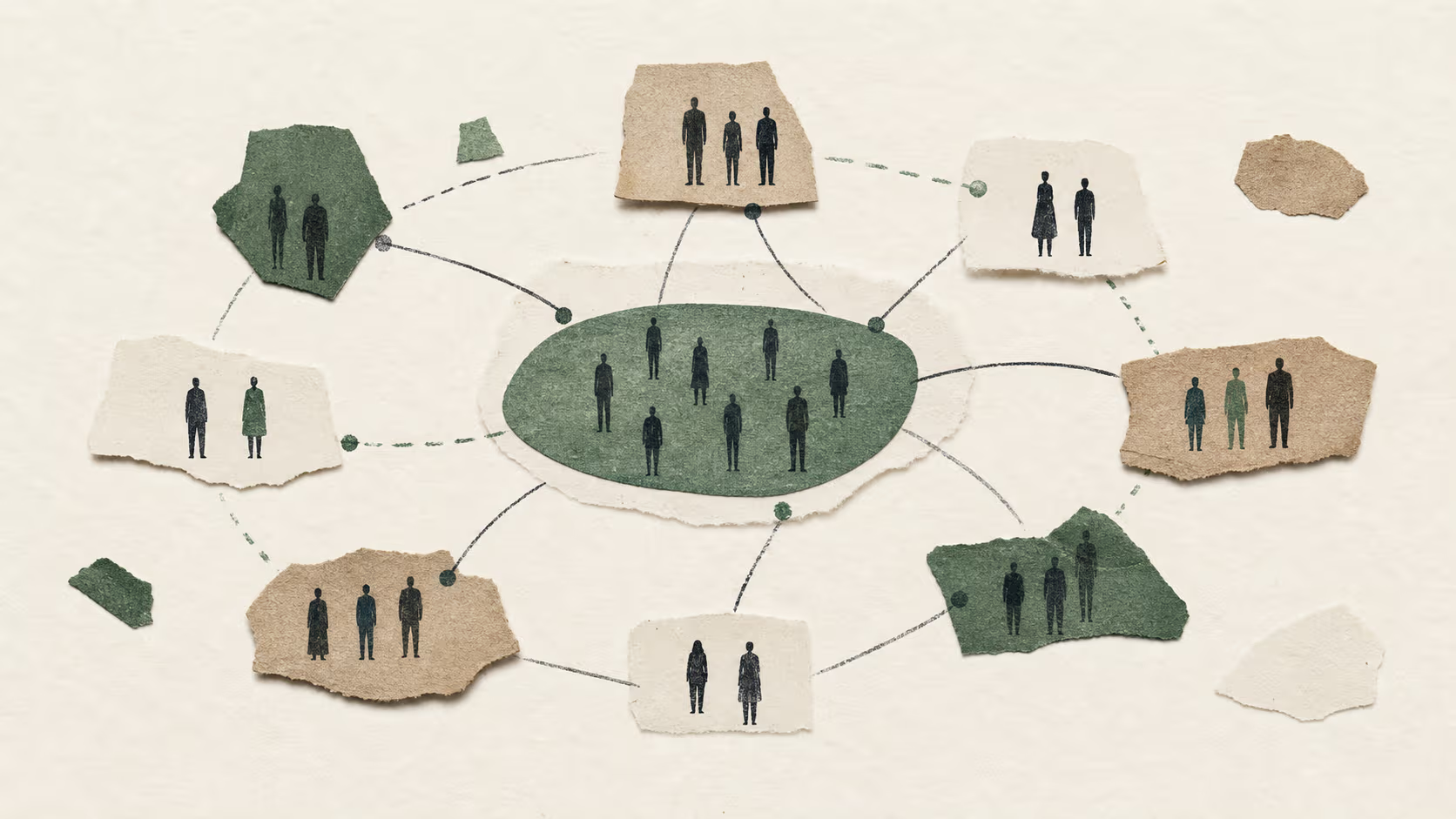
Explore the platformBring the right stakeholders into a structured process, surface incentives and tensions, and create the conditions for shared ownership.
Stakeholder strategy, shared agenda, governance model, engagement plan, and a practical orchestration roadmap.
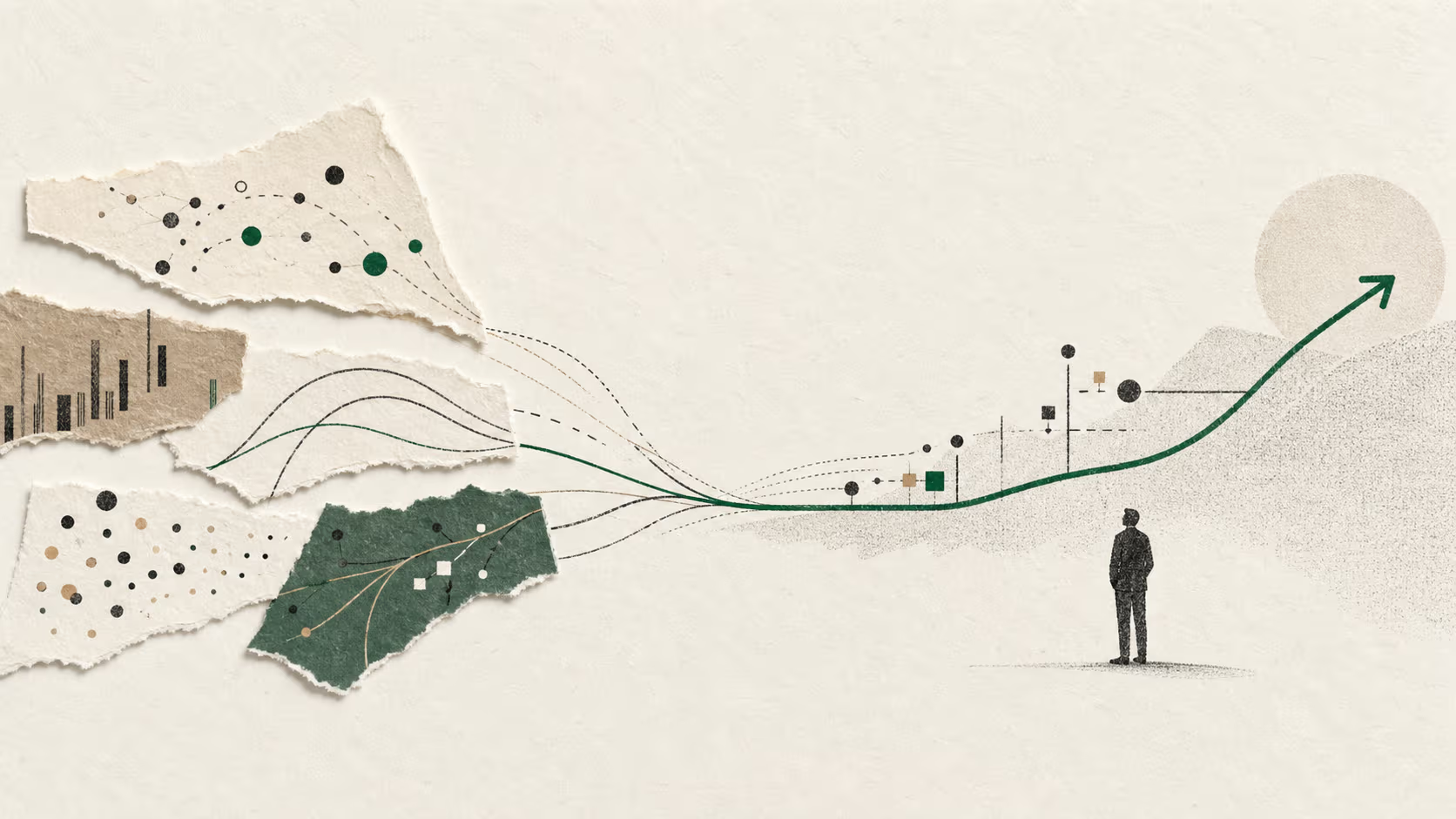
Connect fragmented evidence, test assumptions, and make alternatives visible so leaders can act with greater confidence.
Opportunity assessment, segmentation, scenarios, decision model, strategic options, and an evidence-backed recommendation.
Make relationships, delays, feedback loops, and unintended consequences visible before committing resources or policy.
System map, causal model, simulation, policy test, leverage-point analysis, and a learning agenda.